

Cart
0
You may also like
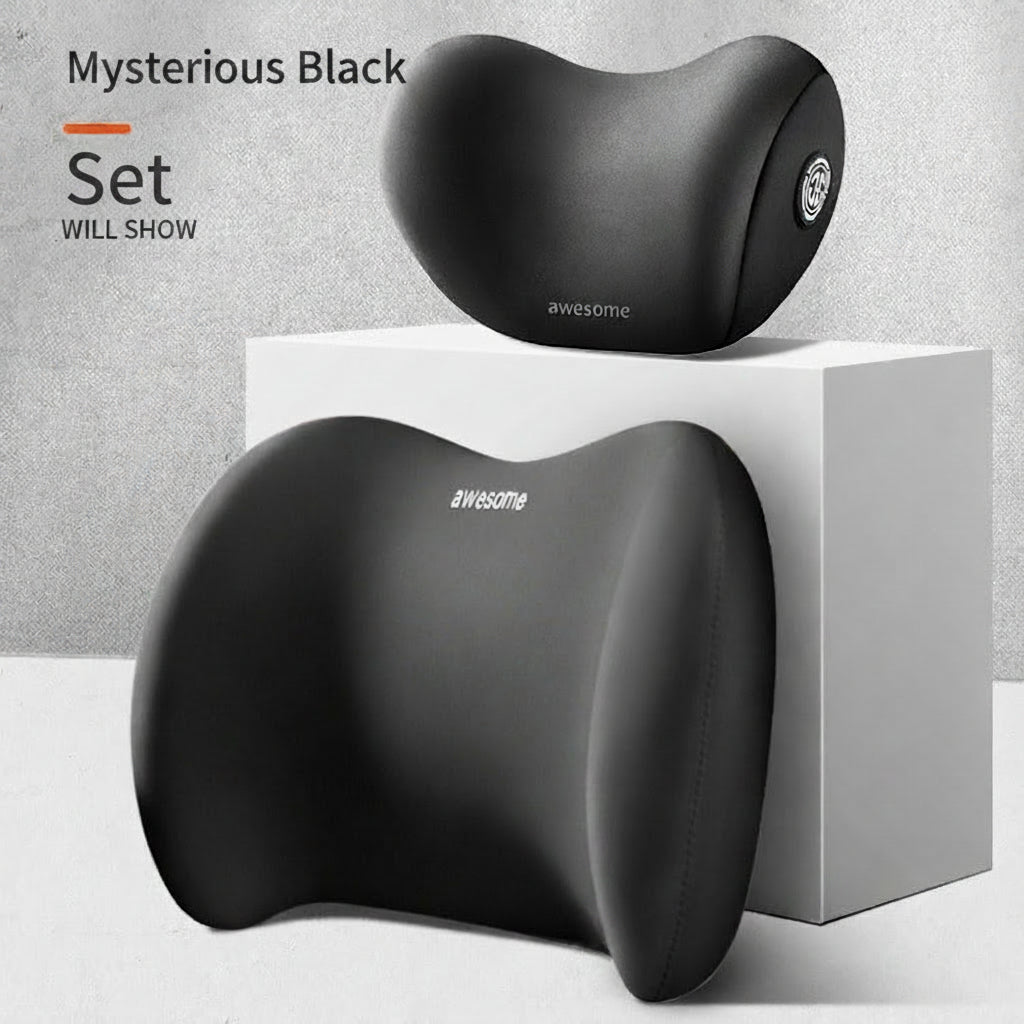
Car Headrest Neck Pillow, Ergonomic Seat Support Cushion for Driving and Travel
Regular price
$29.11
+ Add to Cart
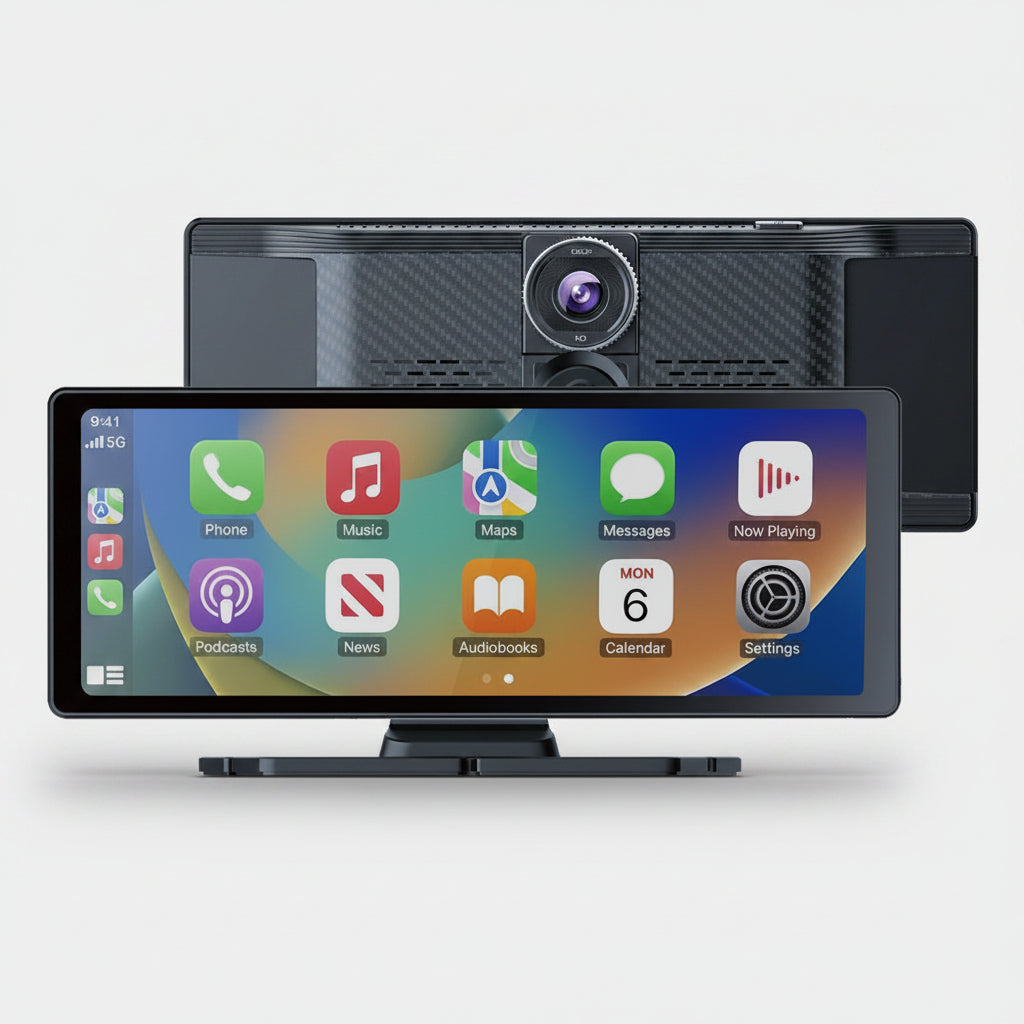
10.26" Wireless CarPlay Display with 4K Dash Cam, Night Vision, GPS & Rear Camera
Regular price
$199.00
+ Add to Cart

Car Lumbar Support Cushion with Headrest, Ergonomic Seat Back Support for Driving and Travel
Regular price
$56.49
+ Add to Cart
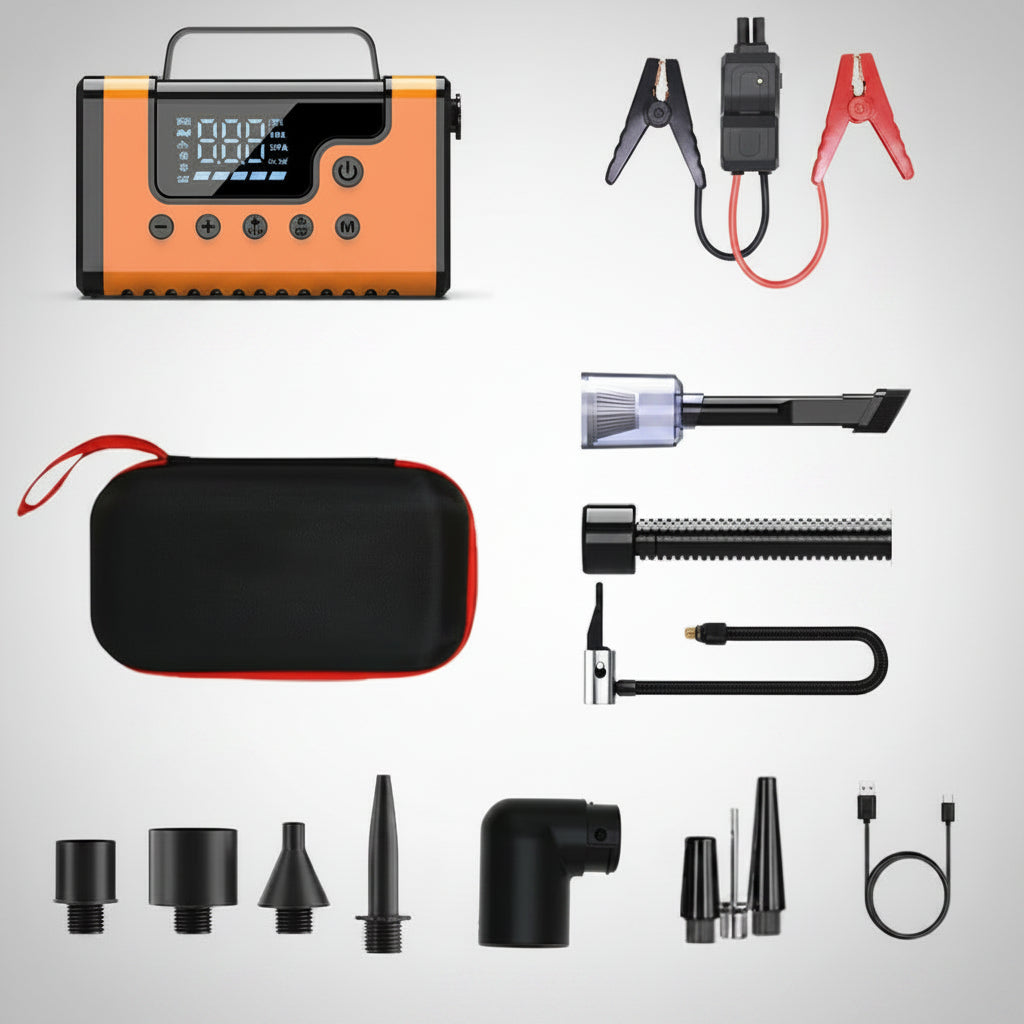
Car Jump Starter with Tire Inflator 12V 3000A Portable Battery Booster Air Compressor Power Bank
Regular price
$155.00
+ Add to Cart
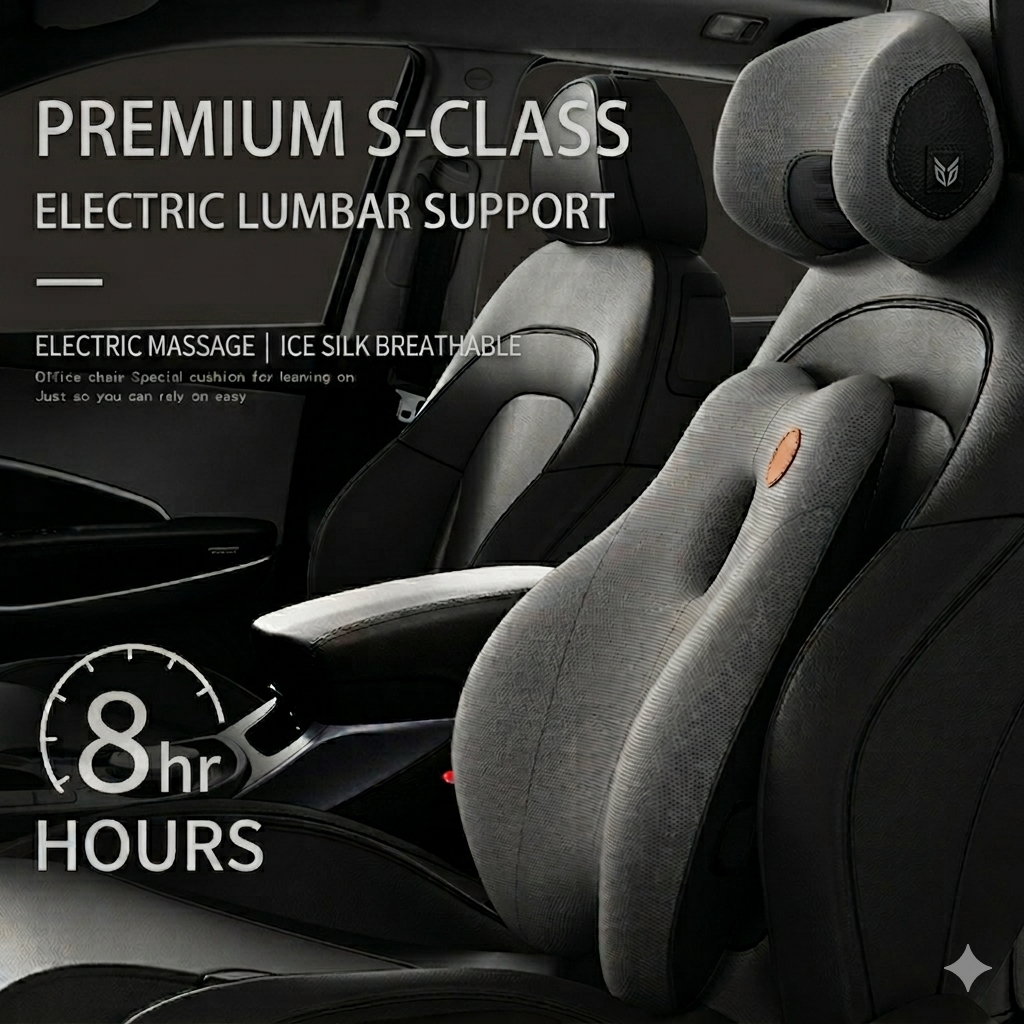
Car Lumbar Support Cushion with Vibration & Memory Foam Headrest Pillow
Regular price
$153.20
+ Add to Cart
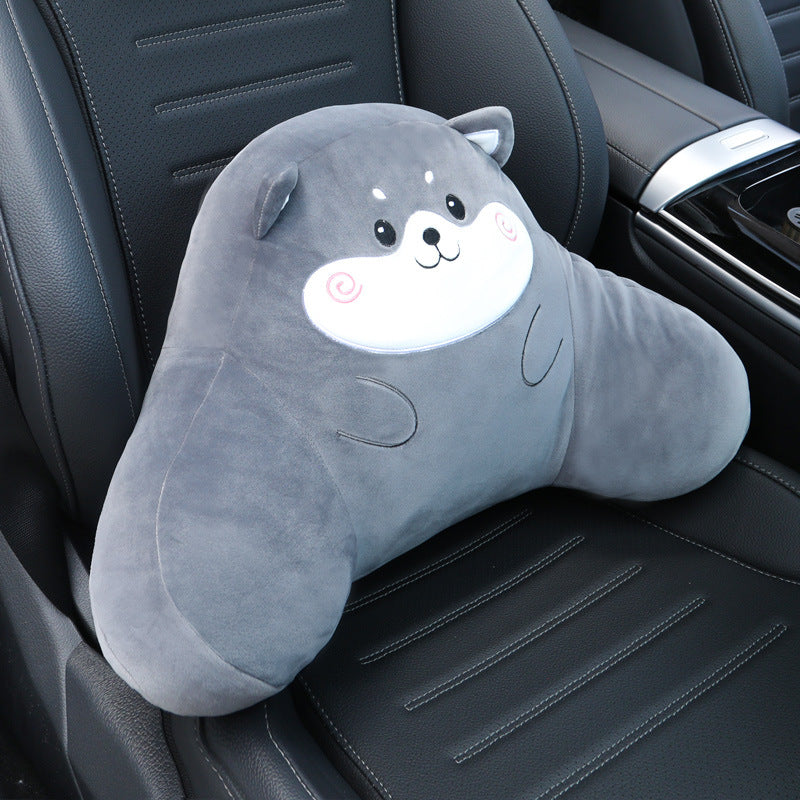
Car Waist Support Cushion with Headrest Pillow, Ergonomic Seat Back Support for Driving and Travel
Regular price
$69.00
+ Add to Cart
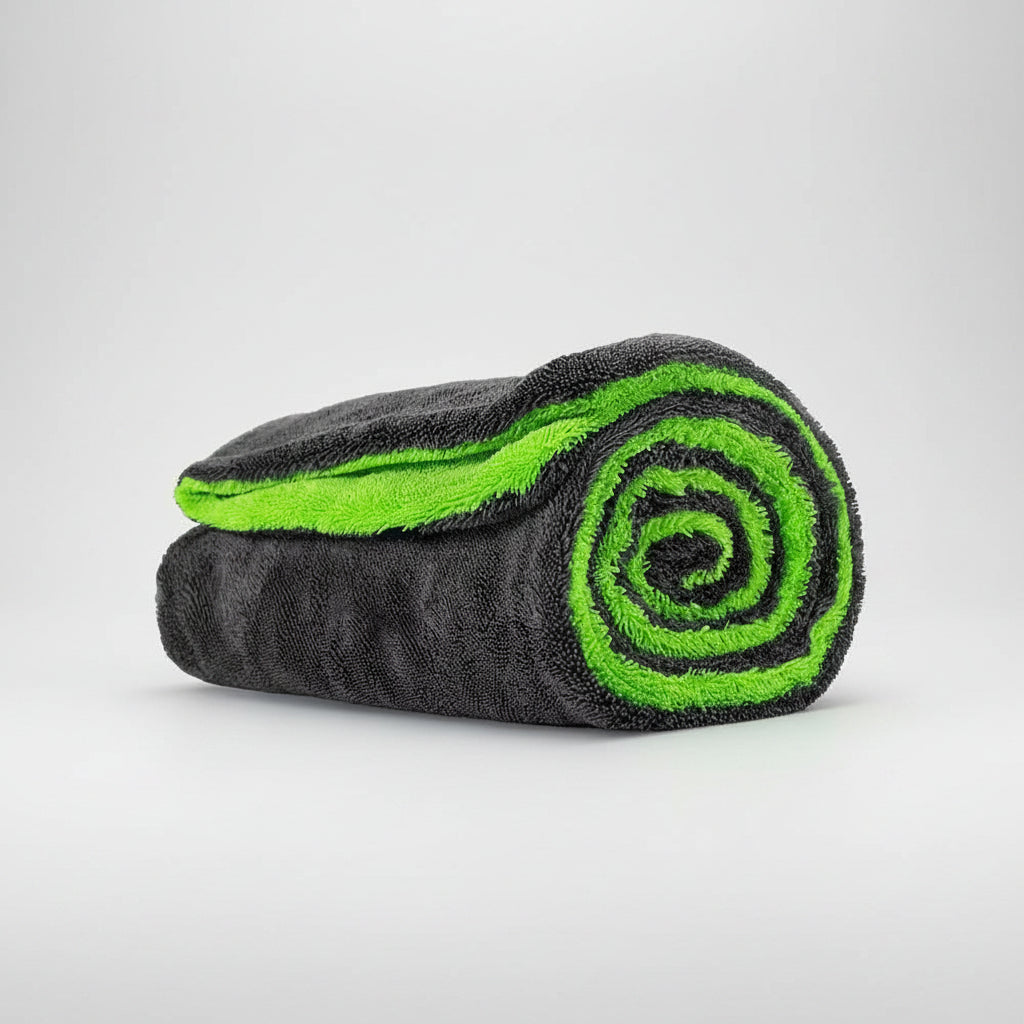
Double-Sided Microfiber Car Wash Towel, Thick Absorbent Auto Cleaning Cloth
From $37.00
+ Add to Cart
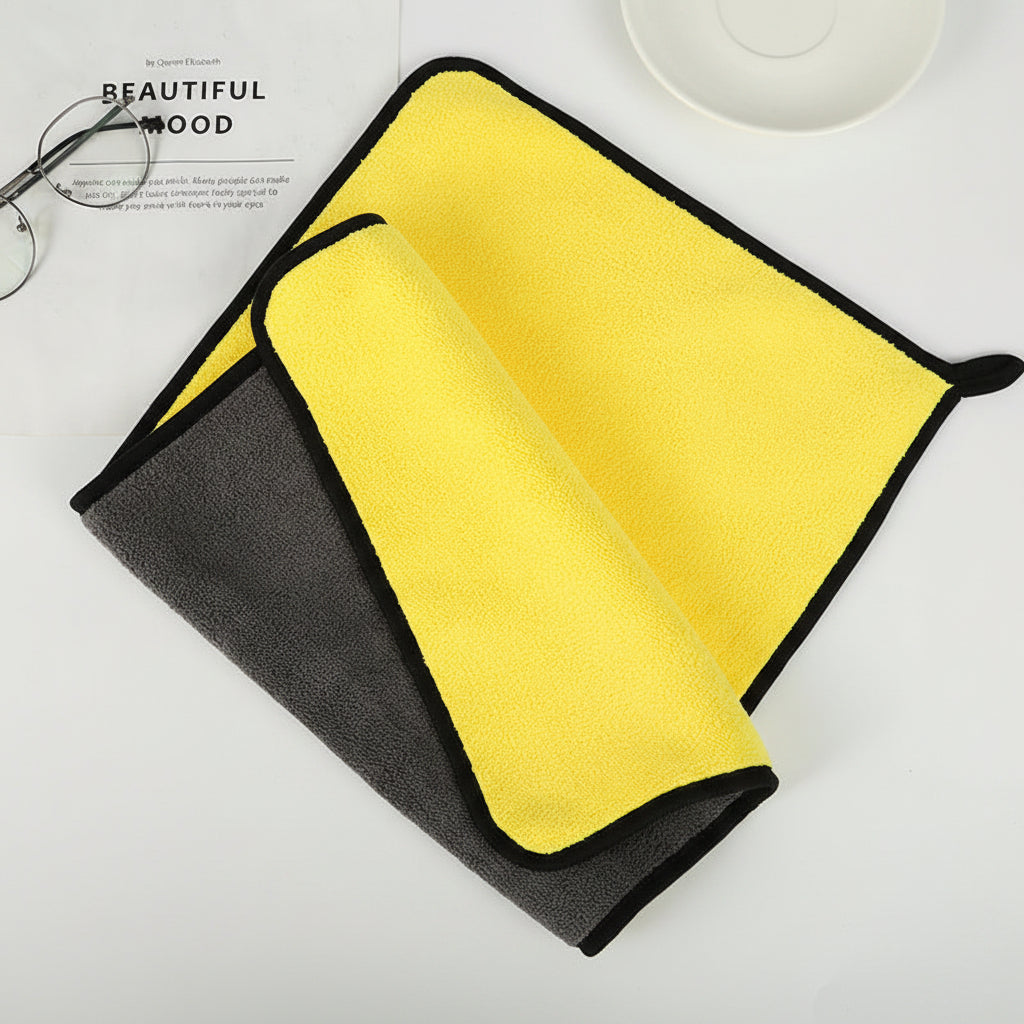
Coral Velvet Car Wash Towel, Thick Absorbent Lint-Free Car Drying and Cleaning Cloth
Regular price
$12.00
+ Add to Cart